

Your application, clearly planned
USA education consultants in Hyderabad and across India
Videsh Consultz provides counselling for students planning to study in USA from its main office in Hyderabad and through online support across India. Our country guidance covers course and university selection, admission applications, scholarship and education-loan preparation, student visa documentation and pre-departure planning.
Requirements and deadlines vary by university and intake. We check the current rules for each student’s shortlist instead of relying on one generic country checklist.
- 01Profile review
- 02University shortlist
- 03Application & funding
- 04Visa & departure
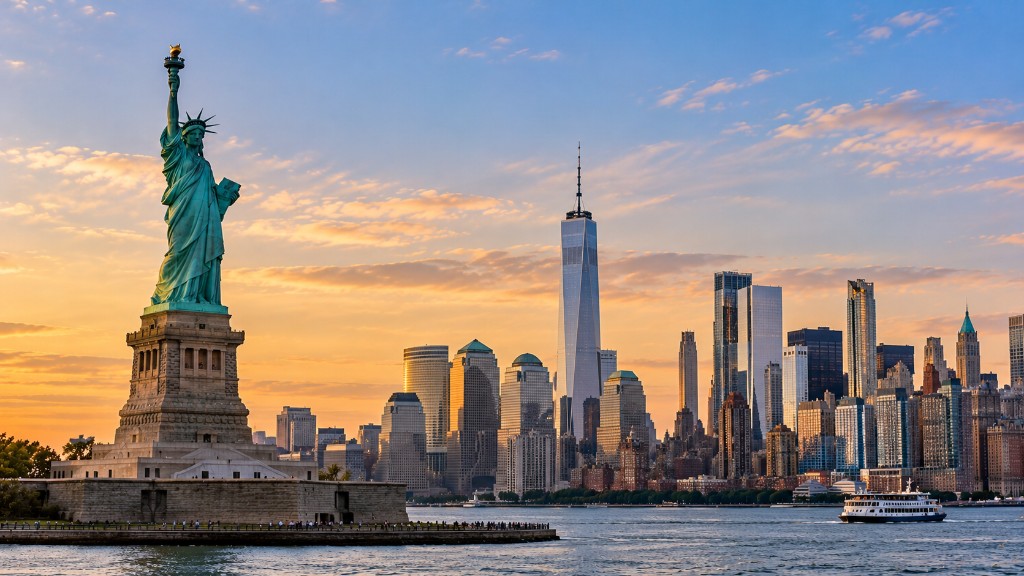
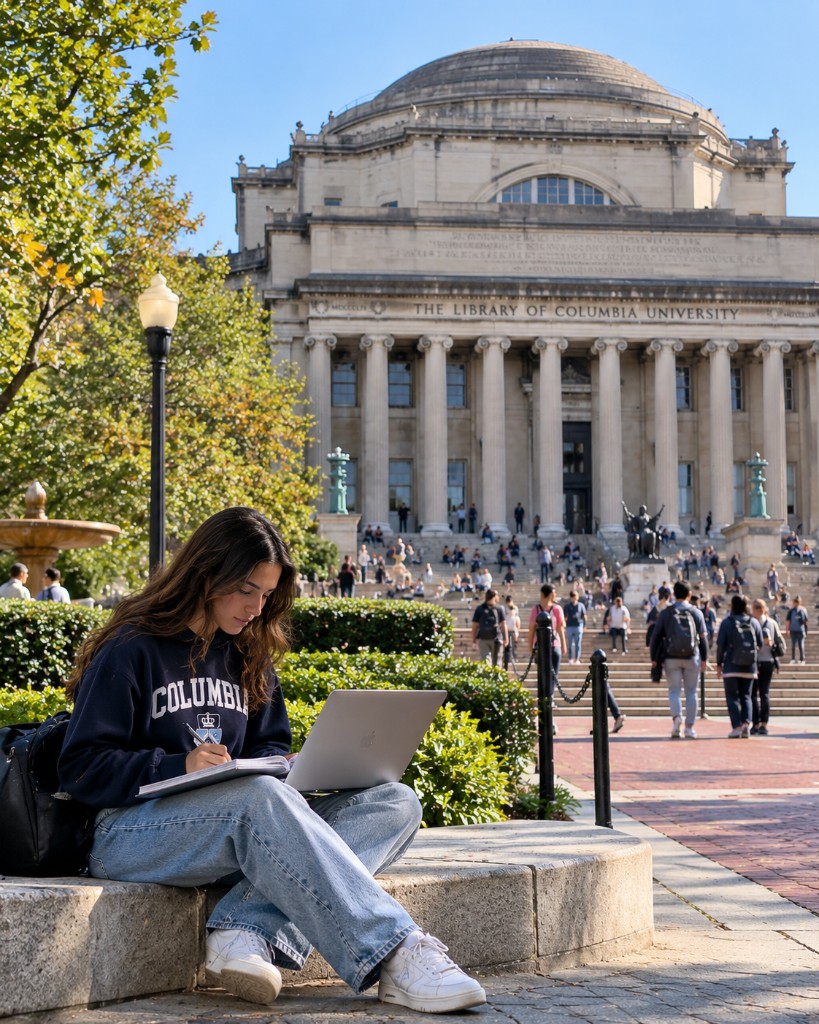

Who thrives studying in the USA
Programme choice is unusually wide. Health sciences cover nursing, pharmacy, biotechnology, genetics, food technology and microbiology; engineering and technology span civil, computer science, aerospace, robotics, automation, chemical and environmental engineering; business schools teach finance, marketing, human resources, entrepreneurship, retail, insurance and international business; and the sciences, social sciences and arts sit alongside them.
The system also suits students who want a flexible academic environment — you can explore subjects before committing to a major, combine disciplines, and take part in research as an undergraduate. It works best for students who are comfortable with a structured, competitive admissions process and with budgeting carefully, since costs differ enormously between institutions and states.
Entry requirements
- For a bachelor’s programme: a completed secondary qualification (12 years of schooling for most Indian applicants) plus the transcripts and certificates the university asks for.
- Standardised tests: many undergraduate programmes ask for the SAT, and many master’s programmes ask for the GRE or GMAT — some universities waive these, so confirm with each programme rather than assuming.
- English proof: IELTS or TOEFL is the usual route, with the score band set by each institution and programme.
- For a master’s programme: a relevant bachelor’s degree. Some US graduate schools expect a four-year degree, so whether a three-year Indian degree satisfies the requirement must be checked institution by institution.
- Documents not in English usually need a certified translation.
How the application process works
- Shortlist programmes and confirm entry requirements, total cost of attendance, scholarships and the deadline for your intake.
- Sit the required tests early — SAT or ACT, GRE or GMAT, and IELTS or TOEFL — because scores take time to arrive and re-sits are common.
- Apply through each university’s portal with your statement of purpose, recommendation letters, transcripts and activities record.
- Compare offers on cost and programme fit, accept one, and satisfy any conditions attached to your admission.
- Receive your I-20 from the university after your financial documents are accepted, and pay the SEVIS fee.
- Book and attend your student visa interview at the US embassy or consulate with the I-20, financial evidence and supporting documents.
- Once the visa is granted, book travel, arrange accommodation and complete orientation and registration on arrival.
Funding your studies
Costs vary more in the US than almost anywhere else: public universities, private universities and out-of-state rates all price differently, and living costs change with location. Merit scholarships and, at graduate level, teaching or research assistantships can reduce the bill — eligibility is set by each institution, so we verify the current figures on your shortlist before you commit.
Education loans from Indian banks are a common route — see our loans page for how the process usually works, and ask us for a cost sheet covering tuition, housing, insurance, living costs and visa fees.
Documents you will usually need
Applications, the visa interview and your arrival paperwork draw on the same core documents, and the interview expects you to know your own file well. Preparing everything early — consistent, translated where needed and easy to explain — keeps the process calm. The full list is below.
After graduation
US qualifications are recognised worldwide, and the credit system makes transfer or further study easy to plan. Graduates may apply for a period of post-study practical training related to their field; eligibility, duration and the rules that apply depend on your visa category and on current policy, so we confirm the conditions for your intake before you rely on them.
Next steps with Videsh Consultz
Book a free consultation: we will evaluate your academics, test scores and budget against realistic programmes, confirm current requirements and costs for your shortlist, and lay out a month-by-month plan covering tests, applications, funding, the visa interview and pre-departure.
Checklist for application
- Valid passport
- Passport-size photographs (as specified by the university and consulate)
- Secondary school certificate (SSC / 10th standard)
- Higher secondary certificate (Intermediate / 12th standard)
- Bachelor’s provisional certificate (for master’s applicants)
- Bachelor’s original degree certificate
- Consolidated marks statements
- Semester-wise marks statements
- Experience certificate, if applicable
- Recommendation letters — typically two, from academics who know your work
- English proficiency certificate (IELTS / TOEFL) and other test scores where required
- Financial documents required for the I-20 and visa interview
Last updated 2026-09-28